The Ruled Line at Nine
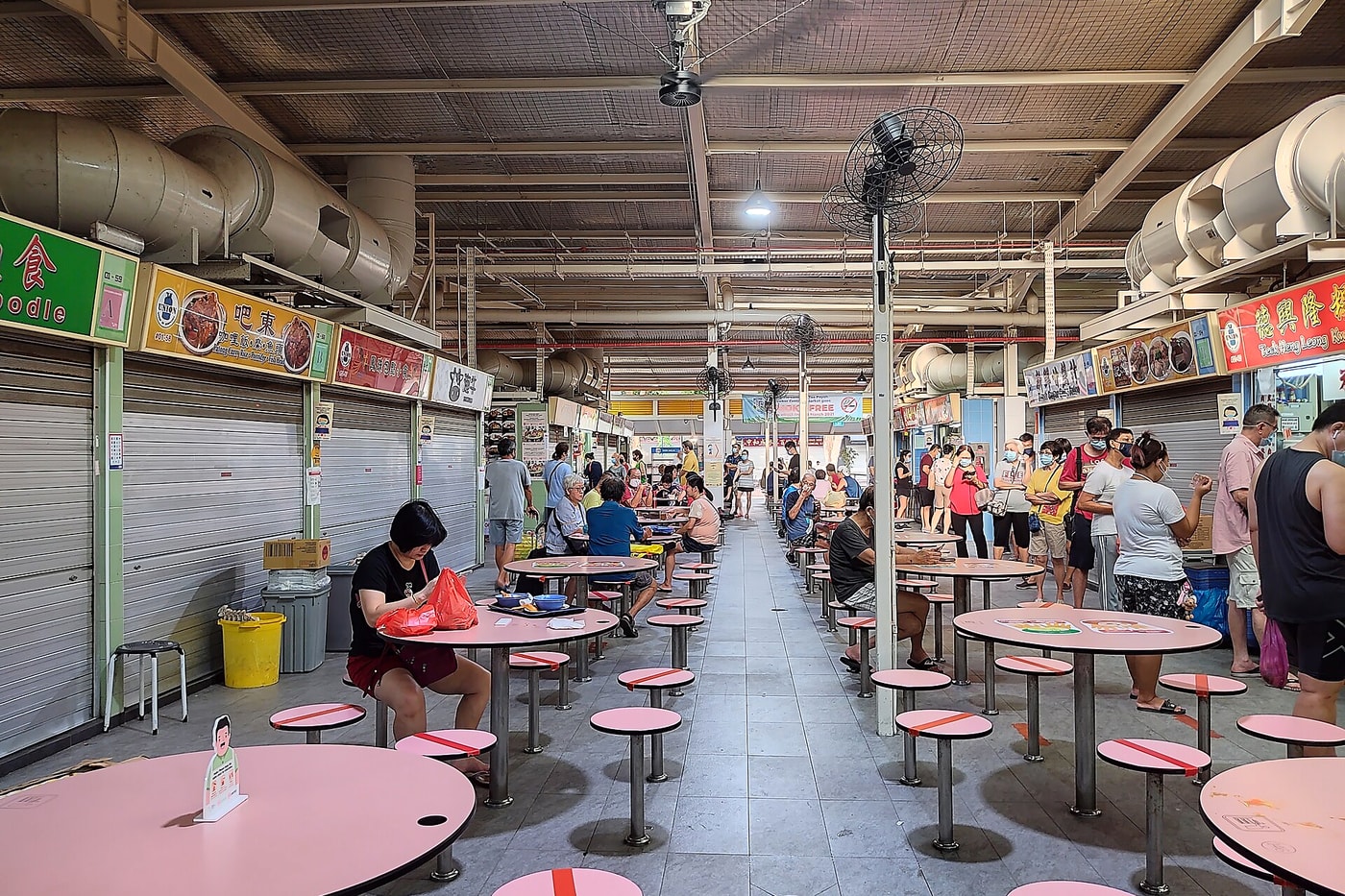
The kopitiam was already awake when I arrived, though the sun had not cleared the block opposite. I take the same table when I can — second from the left, under the fan that wobbles slightly on setting three. The uncle at the kopi counter knew my order before I opened my mouth: kopi si kosong, one slice of kaya toast, soft-boiled eggs with the soy sauce bottle that has lost its label. I sat and waited for the tray the way you wait for something that has happened a hundred times and will happen a hundred more.
Morning at this hour belongs to the regulars. An old man read Lianhe Zaobao without turning a page for ten minutes. Two women in office badges argued quietly about a colleague's leave application. A delivery rider parked his bike at the railing, checked his phone, drank a glass of water from the self-service corner, and left without buying anything. The floor was still damp from the early wash. My shoes made a small sound on the tiles that nobody noticed.
I had come to write, which is my habit on Thursdays when work starts at nine-thirty instead of nine. I opened my notebook to a ruled line and wrote the time — 7:14 — because starting with a fact is easier than starting with a thought. The toast arrived. Butter on the fingers. The eggs were warm, the yolk barely set. I ate and watched the street through the open front: parents walking children toward the primary school, a cat crossing the carpark without hurry, the flags on the lamp posts limp in the humid air.
What I noticed was the sound of routine. Cups clinking in the wash area. The hiss of the coffee sock being pressed. Someone's radio playing old Mandarin songs at a volume that merged with conversation rather than covering it. The kopitiam is not quiet, but it is predictable, and predictable sound rests the part of my brain that spent yesterday in a conference room listening to a man explain a chart I had already read. Here, nobody needed me to respond. I could sit and let the morning happen around me.
I wrote three sentences about the fan's wobble and deleted two of them in my head before they reached the page. The third stayed: "The blade traces the same arc it traced last week; I am the one who keeps returning." That is not profound. It is true. I come here because the table is level and the coffee is honest and the uncle does not ask why I stare at a notebook instead of my phone. Other tables had phones. Mine had paper.
By quarter to eight the crowd shifted. Office workers replaced the school-run parents. The uncle's voice grew shorter — "Next!" — and the kaya toast rack emptied faster. I paid cash, left a tip in the jar that nobody watches, and folded my notebook closed. The ruled line I started at 7:14 had become half a page of small observations: the colour of the sky, the number of empty tables, the way the cat sat under a car and then did not. None of it would matter to anyone else. It mattered to me because the day had not yet begun and I had already given it a shape.
Walking back toward the MRT, I passed the hawker centre next door, still shuttered except for one stall selling chee cheong fun to early risers. The air smelled of sesame oil and detergent. I thought about how many mornings I have started this way — not every morning, but enough that the kopitiam feels like an extension of my kitchen table, except with someone else washing the cups. I caught the train at Simei with five minutes to spare. The notebook was in my bag, the page filled, the habit satisfied for one more Thursday.