Five Steps, Wet Tiles
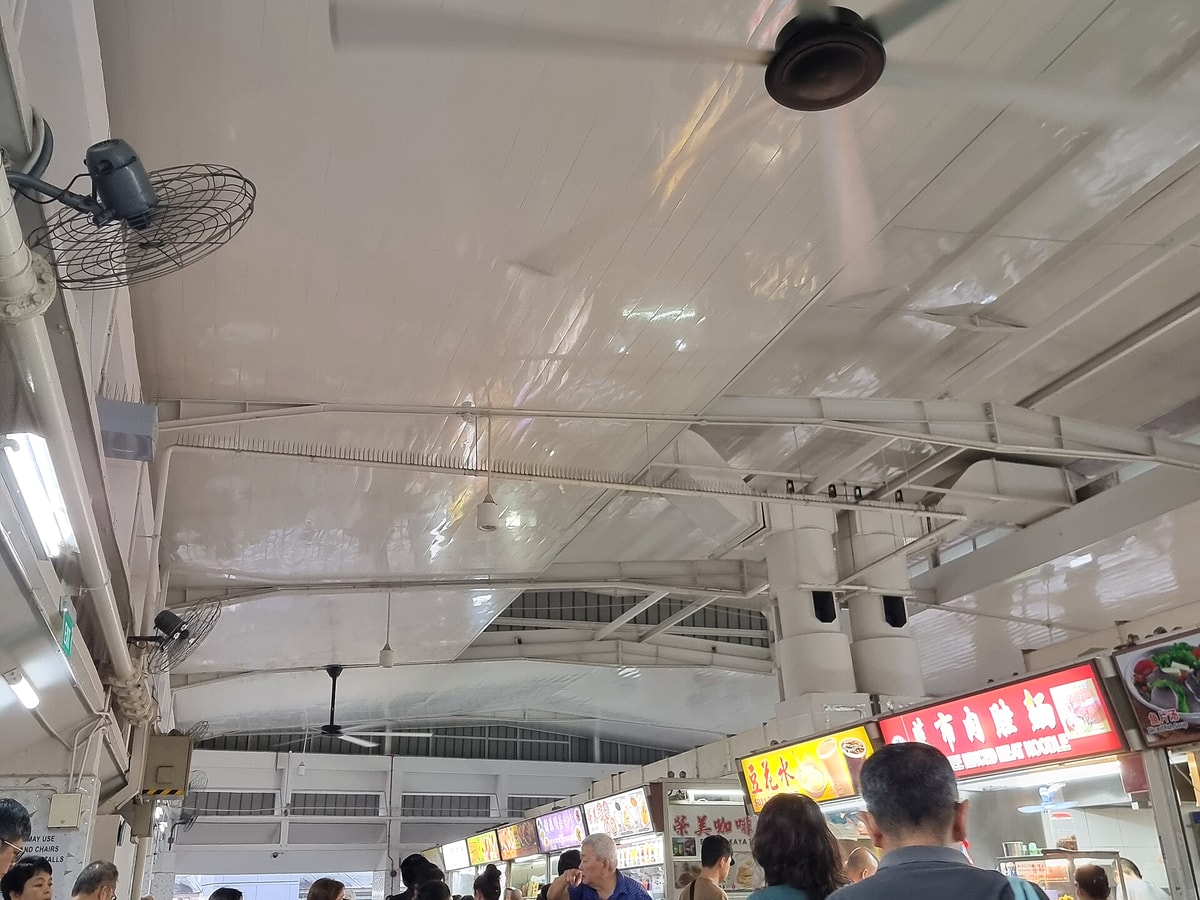
The wet market stairs are five steps from the pavement to the entrance, tiled in green ceramic that turns slick when the cleaners hose the floor at opening time. I went on a Saturday morning in February because I needed coriander and the supermarket stock was wilted, and because the market is closer than people assume if you walk through the carpark instead of around it. The sky threatened rain without delivering, which is Singapore's most common weather promise.
I held the railing on the right because the left railing wobbles — has wobbled for years, probably reported and probably waiting on a repair order somewhere in a system I do not understand. My shoes were old trainers with decent grip; still, I placed each foot flat and slow, the way you walk when you have seen someone slip on these tiles before and do not wish to be the next person. An auntie behind me carried a bag of oranges and did not use the railing at all. She descended like someone half my age, which she may have been.
Inside, the market was loud in the contained way markets are loud: vendors calling prices, plastic bags rustling, cleavers on chopping blocks, the wet sound of fish on ice. I bought coriander from the stall near the back — three bunches for a price I will not write here because prices change and numbers on a page date faster than sentences — and added ginger because the root looked fresh. The uncle wrapped both in newspaper the way they still do when you ask nicely.
On the way out I paused at the top of the five steps and watched the foot traffic: a man balancing a tray of eggs, two children holding hands, a cleaner with a mop bucket leaving wet streaks on the tiles I had just navigated carefully. The stairs are not grand. They are functional, slightly chipped at the edges, stained in places where the grout has darkened. They are also the threshold everyone crosses to enter the market, which makes them more important than their size suggests.
I descended again with my newspaper bag, one hand on the wobble-free railing, and felt the first drop of rain — one drop, then none for a minute, then a proper sprinkle that sent people under the awning. I walked home through the carpark with my collar up and the coriander tucked inside my jacket to keep the leaves from wilting in the damp. By the time I reached my block the rain had stopped. The tiles on the market stairs would be wet again tomorrow and the day after. The auntie would probably skip the railing again. The wobbly rail would still wobble.
At home I chopped the coriander for lunch and threw the stems into a glass of water by the window, a trick my cousin taught me for keeping herbs alive an extra day. I opened my ledger and wrote about the five steps, the green tiles, the uncle's newspaper wrap. I did not write about the prices or the auntie's agility because the first felt temporary and the second felt like someone else's story. What stayed with me was the slowness required on wet tiles — the attention to footing that makes you present in a way scrolling on a phone does not.
Weeks later I passed the market on a dry afternoon and the stairs looked harmless, almost dull. I knew better. February had taught me the harmless look is temporary. I bought nothing that day. I only looked at the five steps and the railing on the right and thought about filing this note, which I have now done. The market continues without my observation. That is as it should be.